
ISO 20121: a new version and a wider scope for PRACSIS
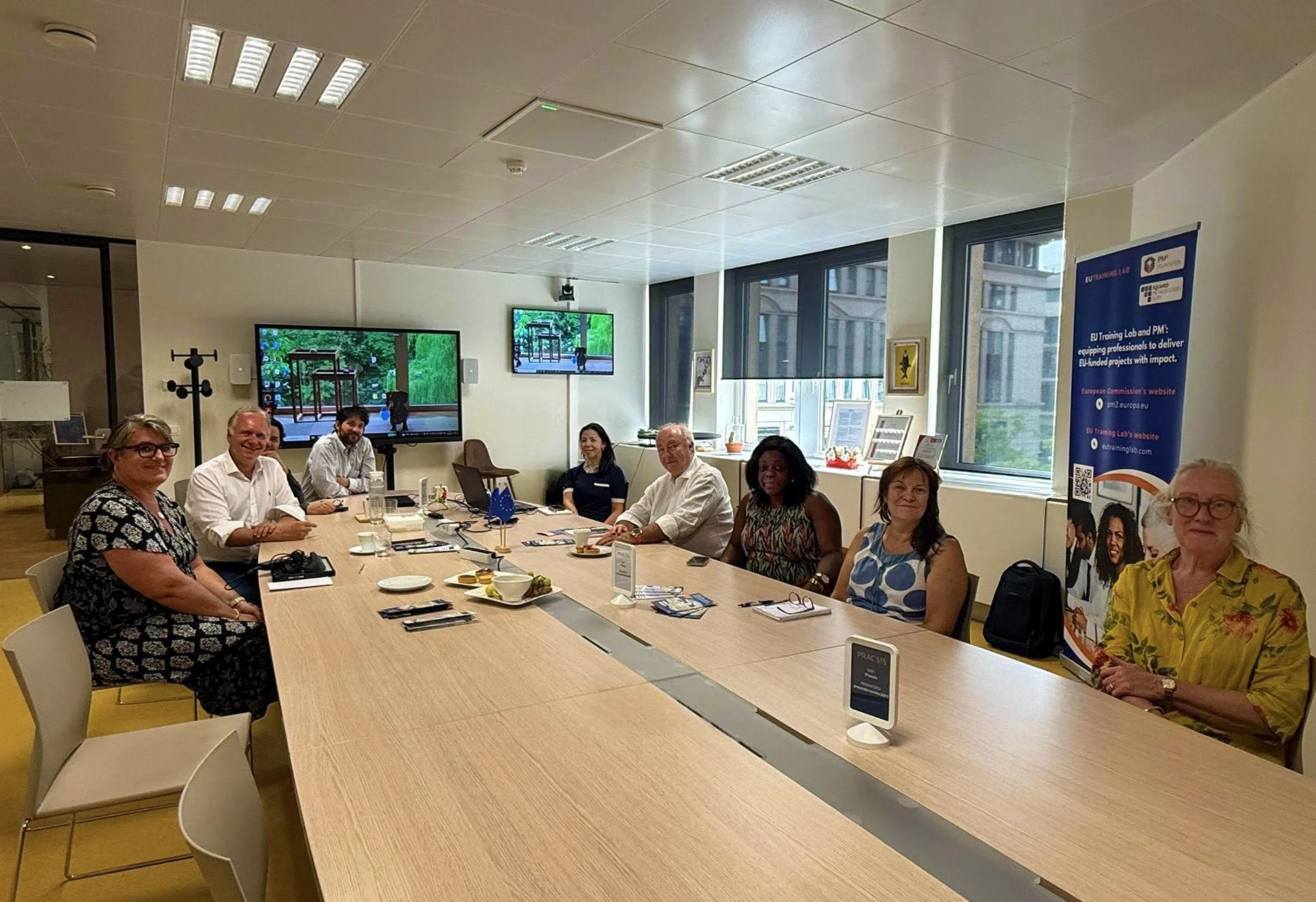
PRACSIS has been certified to ISO 20121, the international standard for sustainable event management, since 2021. The standard was revised in 2024, and we are now certified to the new version: ISO 20121:2024. At the same time we have widened the scope of our certification, so that it now covers the training sessions we organize and deliver.
What‘s changed in this latest version?
The 2024 version adds some things that were not in the previous one. Focusing on the most significant ones:
The standard now asks organisations to look at climate change as something that affects them, and not only as something they contribute to. For PRACSIS that mainly means being realistic about where and when events take place. Heatwaves, storms, cyclones and other extreme weather can disrupt an event or make a venue unworkable, and some locations are more exposed than others. This is now part of how we plan.
The new version also outlines more socially conscious practices, placing emphasis on inclusion and on human and children's rights.
At PRACSIS, we assess the risks related to human rights and children's rights when we organise events with hotels, restaurants and venues. Non-discrimination in employment and occupation, gender balance and women's rights are part of our objectives. We also work to keep our own premises, our events, and our training sessions safe and healthy places to be, both for our staff and for the people taking part .
There is now also the requirement to report on what was achieved, on what we learned, and on the wider effects an event has once it’s over, including its impact and legacy. We are building this into the way we close projects and in our annual sustainability report.
The new version raises the bar on supply chain management. Suppliers’ conformity with sustainability requirements now has to be monitored on an ongoing basis, and not only assessed at the point where we select and evaluate them. In practice this means talking to our suppliers about sustainability, asking them for information and evidence, discussing more sustainable options, and visiting them at their premises.
Adding training to the scope of the certification should also improve our overall sustainability performance. Training generally has a smaller environmental footprint than events, particularly when it comes to business travel and the consumption of materials, and the health and safety risks are lower.
